Political Misinformation: How It Spreads and 8 Practical Ways to Stop It
Misinformation has become a central challenge for modern politics, reshaping public debate, eroding trust in institutions, and complicating policy-making.
Understanding how misinformation spreads and what can be done about it helps voters, journalists, platforms, and policymakers protect the information environment that underpins democratic decisions.
How misinformation moves through the political landscape
– Speed and reach: False or misleading claims often travel faster than corrections. Emotionally charged content, sensational claims, and simplified narratives attract attention, driving shares across networks.
– Algorithmic amplification: Recommendation systems prioritize engagement. Content that provokes strong reactions is more likely to be promoted, which can create echo chambers where falsehoods circulate unchecked.
– Source confusion: Blurred lines between opinion, satire, and reporting, plus the rise of nontraditional outlets, make it harder for audiences to identify trustworthy information.
– Deepfakes and synthetic media: Advances in media tools make fabricated audio and video more convincing, increasing the risk that manipulated content will be treated as factual.
Practical steps for citizens
– Pause before sharing: Taking a moment to verify a claim reduces accidental amplification of falsehoods. Check multiple reputable sources before forwarding political content.
– Verify sources: Look for original reporting, check author credentials, and prefer established outlets with editorial standards. Use independent fact-checking organizations for contested claims.
– Diversify your feed: Follow a range of news outlets and voices across the political spectrum to avoid echo chambers and get a fuller picture of complex issues.
– Teach media literacy: Encourage critical thinking in schools, workplaces, and families. Simple lessons—like checking URLs, examining image provenance, and spotting loaded language—build resilience against misinformation.
Policy and platform approaches
– Transparency and audits: Require platforms to disclose moderation policies, content-promotion criteria, and annual transparency reports. Independent algorithmic audits can assess how recommendation systems affect political content.
– Clear labeling and context: Labels that explain disputed claims, link to authoritative reporting, or flag synthetic media help audiences evaluate content without outright censorship.
– Political-ad disclosure: Stronger rules for political advertising—clear sponsorship labels, searchable ad archives, and rapid takedown for deceptive ads—help voters understand who is trying to influence them.
– Support for journalism and public media: Funding and legal protections for local news and public broadcasters strengthen reliable reporting ecosystems, especially where commercial newsrooms have shrunk.
– Legal guardrails for harmful content: Well-crafted policies address deepfakes used to impersonate candidates or interfere with elections while protecting legitimate speech.
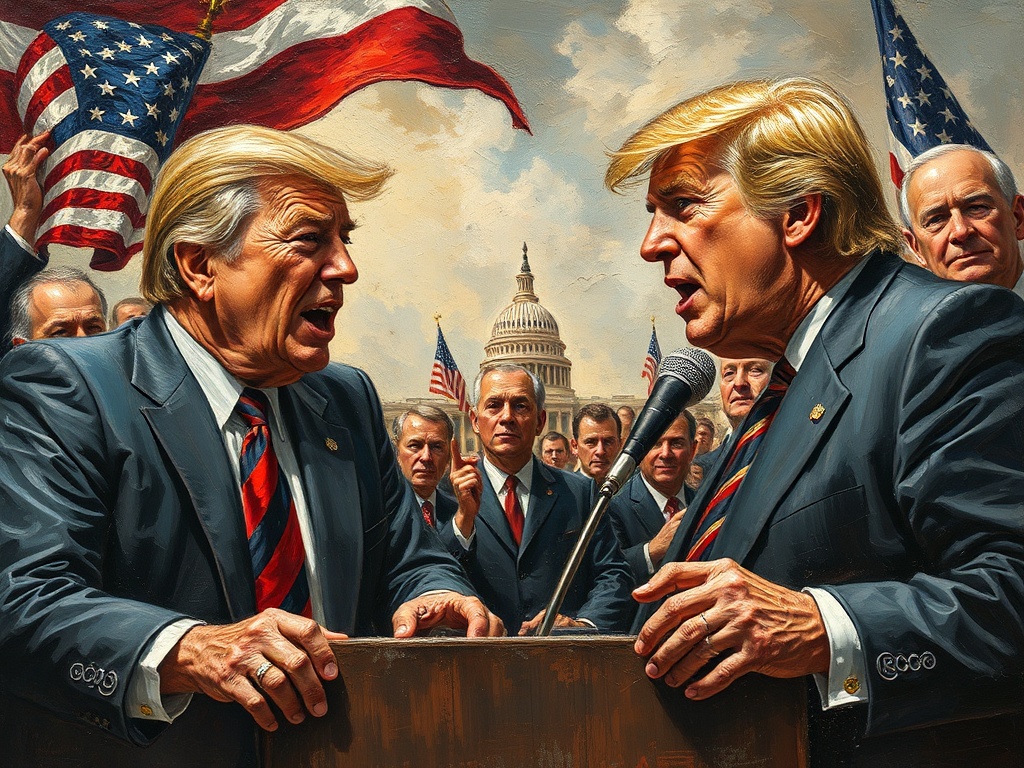
Collaboration between technologists, lawmakers, and civil liberties groups is essential.
The role of institutions and researchers
Independent research into misinformation dynamics, access to platform data for academics, and cross-sector collaboration improve detection and intervention strategies. Fact-checking networks, civil-society organizations, and election administrators play critical roles in maintaining accurate information before, during, and after electoral events.
A shared responsibility
No single actor can eliminate misinformation.
Progress requires coordinated action by citizens, journalists, platforms, researchers, and policymakers. By combining media literacy, platform transparency, accountable regulation, and robust journalism, it’s possible to reduce the influence of falsehoods and strengthen democratic debate. The health of political dialogue depends on collective commitment to truth, context, and civic-minded information practices.