Social Media and Politics: Unveiling the Revolution in Modern Political Engagement
Once considered a novelty, social media has become an irreplaceable tool for modern political engagement. From grassroots movements to high-stakes elections, social media platforms have transformed the way we access, discuss, and share political information.
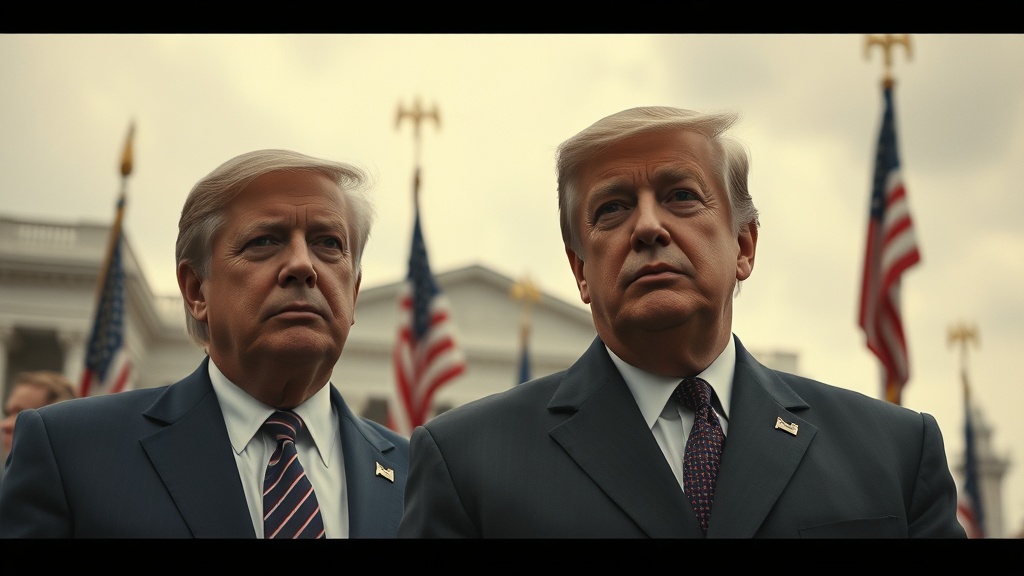
In the era of digitization, traditional methods of political engagement, such as town hall meetings, newspaper articles, and public speeches, are being supplemented, and sometimes even replaced, by online platforms. Social media has opened up a new world where politicians can reach wider audiences and engage with them more frequently.
Political figures and parties use social media platforms to disseminate information, promote their ideologies, and rally supporters. This form of communication offers an impressive reach, real-time updates, and a dynamic platform for interactive dialogues. Politicians are not limited to their geographical locations but can influence a global audience. Moreover, it gives politicians the chance to shape their public persona, frame their narratives, and respond directly to public concerns or criticisms.
On the other side of the conversation, social media allows the public to voice their opinions, share their perspectives, and engage in debates.
It has become easier for people to stay informed, express their political leanings, and participate in the democratic process. This increased accessibility and engagement can lead to more informed decision-making, encouraging political participation, and bolstering democratic values.
However, the use of social media in politics is not without its pitfalls. The immediacy and broad reach of these platforms can also amplify misinformation and propaganda.
The spread of “fake news” has become a significant concern in recent years, with false information often disseminated more rapidly and widely than accurate news.
Moreover, social media has also been linked to increased polarization in political discourse. The algorithmic nature of these platforms often serves to reinforce existing beliefs, as users are more likely to interact with content that aligns with their ideologies. Such echo chambers can exacerbate divisions, making productive dialogue and consensus-building more challenging.
To combat these issues, social media platforms, policy-makers, and users must work together to create a more responsible digital ecosystem. There are currently ongoing discussions on how to effectively regulate social media, balance free speech with the need to prevent misinformation, and cultivate a healthier political discourse.
Despite its challenges, the use of social media in politics is here to stay. The exponential increase in digital political engagement reflects a broader trend towards digital communication, a reality that modern politics must adapt to. As we move forward, it will be increasingly important to understand and navigate this new political landscape.
In essence, social media has revolutionized the political landscape, reshaping how politicians and the public interact. Whether this revolution proves to be beneficial or detrimental to the health and future of our political systems depends on how we manage its potential and pitfalls. As digital citizens, we all share a responsibility to use these platforms in ways that enhance our democratic process, foster informed debate, and ensure the integrity of our political systems.