Navigating the Complex World of Global Politics: Digital Democracy, Climate Change, and the Rise of Populism
The world of politics is always in flux, constantly influenced by varying social sentiments, economic dynamics and technological advancements. Today, we live in a time where the global political landscape is more nuanced than ever, with a multitude of factors shaping policies and impacting nations.
The rise of digital democracy is one such trend that is currently shaking up the political sphere. With the advent of social media and the internet, information dissemination and public opinion formation have drastically changed. These virtual platforms are now major players, influencing political discourses and strategies on a global scale. They provide a space where citizens can voice their opinions, engage with leaders, and influence policy-making. However, this also brings to the fore the issue of misinformation and its potential to distort public perception, a challenge that governments worldwide grapple with today.
Another powerful force shaping politics is the ever-increasing focus on climate change and sustainability. As environmental concerns continue to surge, they are influencing voting patterns, policy-making, and international relations. Governments are being forced to align their strategies with environmental sustainability, giving rise to new policies and laws. At the same time, countries are negotiating with each other to devise global strategies to combat climate change, adding another dimension to international politics.
Economic factors, too, play a significant role in the political spectrum. The recent shift towards protectionism, especially among major economies, has a far-reaching impact on global politics. It not only changes the dynamics of international trade but also significantly affects geopolitical relationships. In parallel, the rise in income inequality is increasingly becoming a focal point in political debates and policy-making, with governments facing growing pressure to address this issue.
In this light, the importance of diplomacy and international relations is more pronounced than ever. With countries interconnected in numerous ways, from trade to climate change, diplomatic relationships have become paramount. The ability to negotiate, form alliances, and resolve conflicts plays a pivotal role in shaping the political future of nations.
Moreover, the resurgence of populist movements across the globe is altering political landscapes. Populism, fueled by feelings of economic and cultural disenfranchisement, is stirring political upheaval, influencing electoral outcomes, and shaping government policies.
It presents both an opportunity and a challenge for political leaders – the opportunity to engage with the masses more closely, and the challenge to address their concerns effectively.
Further adding to the complexity is the ongoing debate about human rights and social justice. Issues such as gender equality, racial justice, and LGBTQ+ rights are at the forefront of political discussions. Countries are confronting their own societal norms and values, sparking changes in legislations and political ideologies.
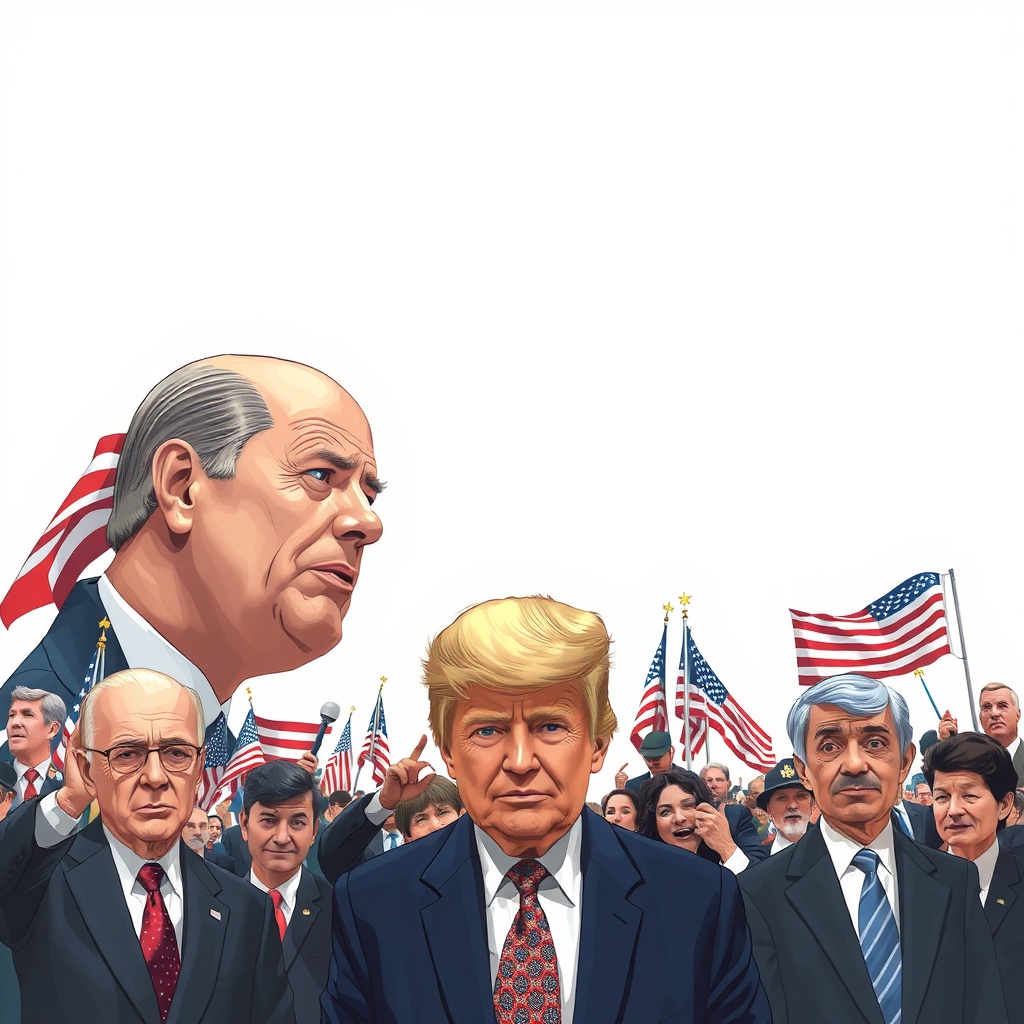
In a nutshell, the global political landscape is a melting pot of various evolving elements. From digital democracy to climate change, economic dynamics to social justice, each factor intertwines and interplays to shape the current and future direction of politics. As we navigate through these exciting yet challenging times, it is clear that politics, as we know it, is being reshaped and redrawn, offering a fascinating study for political pundits and common citizens alike.