Transforming Politics: The Unprecedented Influence of Social Media in the Digital Age
In today’s digital age, social media platforms have become key players in the political landscape. From campaign strategies to political discourse, social media has influenced not only how politicians connect with their audience but also how constituents engage with each other and the issues that matter most to them.
In the past, political campaigns primarily utilized traditional media platforms like newspapers, radio, and television to reach their constituents. However, with the rise of social media platforms such as Facebook, Twitter, and Instagram, politicians and their teams have discovered new, more immediate ways to connect with voters. Social media offers a platform for politicians to communicate directly with their audience, bypassing traditional media gatekeepers.
On these platforms, politicians can instantly share policy updates, campaign event details, and even personal insights, fostering a more personal connection with their constituents. This instantaneous and unfiltered communication provides an opportunity for politicians to shape their public image, control their messaging, and potentially influence public opinion.
Moreover, social media provides a platform for robust political discourse and engagement among constituents. Today, political discussions are not limited to town halls or dinner tables; they have moved to the online space where everyone with an internet connection can participate.
This widespread involvement has democratized political engagement, giving voice to segments of the population who may have been previously marginalized or overlooked by traditional political processes.
However, the intersection of social media and politics is not without its challenges. The rise of misinformation and “fake news” has become a significant concern.
The spread of false information can sway public opinion, incite fear, and create divisiveness—potentially influencing election outcomes. The responsibility falls not only on the platforms to monitor and regulate this content but also on individual users to critically evaluate and verify the information they consume and share.
Further, while social media has made politicians more accessible, it has also made them more vulnerable to public scrutiny and criticism. Every post, tweet, or comment can be instantly analyzed, critiqued, and shared, which can be both a boon and a bane depending on the situation.
Currently, many politicians and government bodies are evaluating how they can best leverage social media while mitigating its potential downsides. This involves developing best practices for communicating and engaging with the public, as well as implementing measures to combat misinformation.
In this digital era, the role of social media in politics is undeniable.
It has revolutionized how politicians campaign and communicate, how constituents engage with politics, and how political discourse is conducted. As we continue to navigate this landscape, it is crucial to be mindful of the power and influence social media wields in the political sphere.
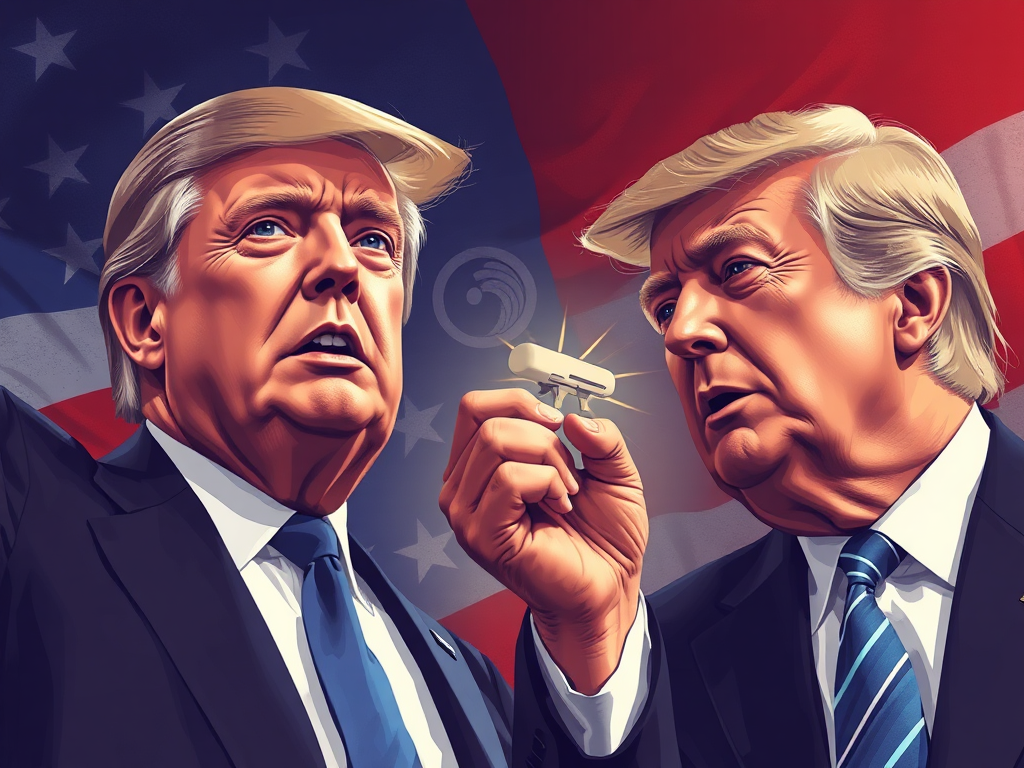
From being an effective tool for communication to a platform for misinformation, the impact of social media on politics is far-reaching. Understanding this impact is key to maintaining a healthy political discourse and making informed decisions as a voter.
As we move forward, it remains to be seen how social media will continue to shape our political landscape. It is clear that its role in politics is not just significant but transformative, reflecting the broader shift towards a more digitized, interconnected world.