Congressional Oversight Explained: Why It Matters, How It Works, and How to Follow It
Why congressional oversight matters — and how it actually works
Congress does far more than pass laws.
One of its most critical responsibilities is oversight: monitoring federal agencies, programs, and officials to make sure laws are implemented effectively, taxpayer money is spent properly, and executive power remains checked. Oversight keeps government accountable, protects public interests, and shapes policy long before bills reach the floor.
What oversight looks like
Oversight takes many forms, ranging from routine audits to high-profile hearings. Key tools include:
– Hearings and testimonies: Committees summon agency leaders, experts, or private-sector executives to answer questions under oath. Public hearings bring transparency and create a record that lawmakers, media, and the public can use to evaluate policies.
– Subpoenas and depositions: When witnesses decline to cooperate, committees can issue subpoenas to compel documents or testimony. Depositions gather sworn statements for use in investigations or legislation.
– Document requests and reports: Committees request internal memos, contracts, and other records. Staff and nonpartisan agencies compile reports that highlight problems, recommend fixes, and provide evidence for policymaking.
– Audits and evaluations: The Government Accountability Office and congressional budget analysts review agency performance, spending, and program outcomes.
Those audits often uncover waste, fraud, or inefficiencies.
– Budgetary control: Congress uses appropriations and authorization bills to reward or constrain agencies. Budget riders, funding cuts, and oversight conditions are powerful levers for enforcing change.
– Confirmation and oversight of appointees: Senate confirmation hearings and follow-up questions help shape agency leadership and priorities.
– Impeachment and contempt powers: In extreme cases, Congress can pursue impeachment for high federal officials or hold witnesses in contempt for refusing to comply with legitimate oversight demands.
Why oversight matters to the public
Effective oversight prevents mismanagement, safeguards civil liberties, and ensures that laws produce intended results. It also identifies gaps in existing policy — the kind policymakers can address through targeted legislation or regulatory changes. For communities impacted by federal programs, oversight can lead to faster fixes and improved services.
How to follow and influence oversight
– Track committee calendars and press releases: Most committees publish hearing schedules, witness lists, and transcripts. Following those pages helps you know when issues you care about are being examined.
– Read GAO and inspector general reports: These documents distill complex audits into clear findings and recommendations.
– Contact your members of Congress: Constituents’ letters, calls, and emails can prompt lawmakers to investigate problems that affect local communities.
– Use public testimony and comment periods: Some hearings accept public statements or written testimony; regulatory agencies often solicit comments when implementing laws.
– Follow reliable reporting and primary sources: Hearings can generate dense transcripts.
Look for summaries from trusted news outlets and official committee materials to get context.
Common misunderstandings
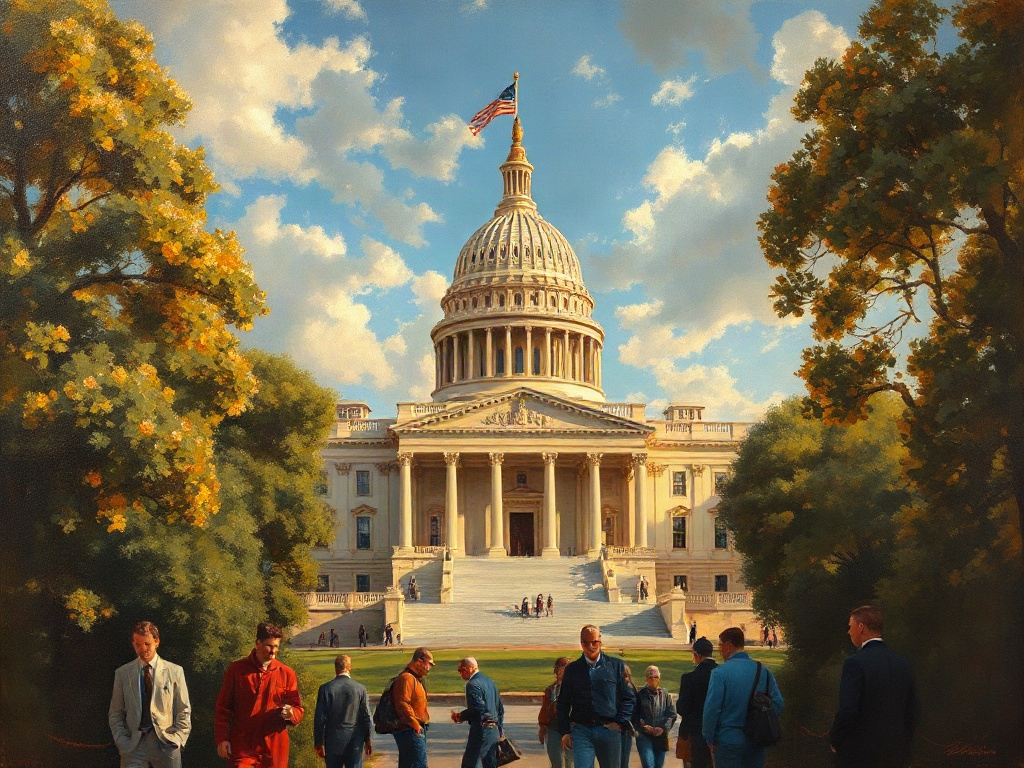
Oversight isn’t the same as political theater. While committees sometimes use high-profile hearings to draw attention, meaningful oversight combines legal authority, sustained scrutiny, and follow-through. Also, committees have varying jurisdiction and resources; a well-resourced committee can probe deeply, while others may face limits.
Oversight as a continuous process
Oversight is not only reactive. When Congress designs new programs, it can build in metrics and reporting requirements so agencies must regularly demonstrate progress. That forward-looking approach helps prevent problems before they become crises and ensures taxpayer dollars advance public goals.
Staying informed about oversight work turns abstract civic institutions into practical levers for accountability. Whether you’re tracking a local grant, a national program, or the behavior of federal regulators, knowing how oversight works makes it easier to hold leaders accountable and shape better policy.