White House Tour Guide: How to Get Tickets, Pass Security, and Make the Most of Your Visit
A White House visit is more than a photo op — it’s a chance to step into a living symbol of U.S. history, architecture, and civic life. Whether planning a first-time tour or returning to explore a new exhibit, knowing how tours work, what to expect at security, and how to make the most of nearby attractions will turn a formal visit into a memorable experience.
How to get tickets
Public tours are free but limited. Citizens typically request passes through their Member of Congress; international visitors can coordinate through their embassy.
Tours are scheduled in advance and fill up quickly, so submit requests early and follow up with your congressional office for confirmation. For special events or last-minute visits, check the official White House information channels and the White House Visitor Center for availability.
Security and ID requirements
Expect stringent security screening. All visitors must pass background checks and present government-issued photo identification that matches the name on the tour reservation. Plan to arrive at the designated entry point well before your scheduled time to allow for security processing. Typical prohibited items include weapons, large bags, backpacks, food and drinks, professional camera equipment (check current rules), drones, and other items that could pose safety concerns. Keep personal belongings minimal and use lockers or secure storage options if available nearby.
What to see on a tour
Tours generally include portions of the public rooms and historic spaces, such as the East Wing reception rooms and select state rooms.
While specific rooms open to the public can vary, highlights often include the State Dining Room, Select Rooms used for official functions, and views of the White House grounds from approved vantage points.
Photography rules differ by area — snapshots are commonly allowed in certain spaces, but always follow tour staff instructions and posted signage.
Accessibility and family planning
Tours accommodate visitors with mobility needs.
Wheelchair access is available in many public areas, and service animals are permitted. Families should note that strollers and child carriers may be restricted in some spaces; review the visitor center’s guidance before arrival. For large family groups or school visits, coordinate in advance to ensure a smooth experience.
Making the most of your visit
– Arrive early and allow extra time for security and queues.
– Wear comfortable shoes: some areas require walking and standing.
– Pair your White House tour with nearby attractions like the National Mall museums and monuments for a full-day itinerary.
– Spend time at the White House Visitor Center before or after your tour; exhibits and multimedia displays provide historical context and practical information.
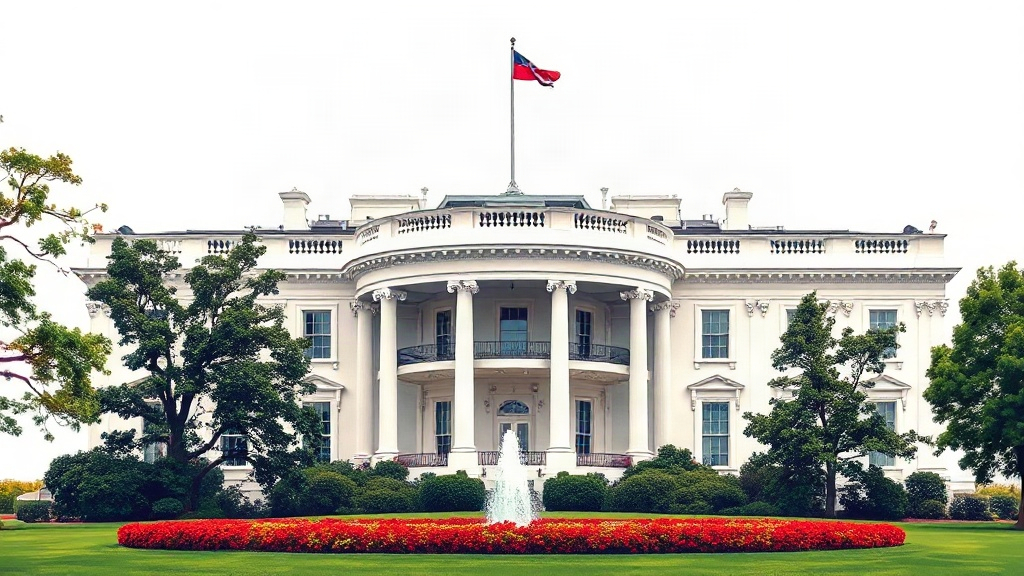
– Respect staff directions and dress modestly for formal spaces.
Special events and seasonal offerings
The White House hosts occasional public events and seasonal programs that can offer unique ways to experience the grounds and gardens. These are often announced through official channels and may require separate registration or tickets. Check the Visitor Center and official statements for the latest event information.
Final tips
Treat the tour as both an educational and civic opportunity.
Advance planning, a clear understanding of security rules, and realistic expectations about what’s accessible will help ensure a rewarding visit. For authoritative details, always consult the official White House visitor information and your congressional office before making travel plans.