How to Visit the White House: Tour Requests, Security Rules & Visitor Tips
Planning a visit to the White House is a highlight for many travelers and locals. Whether you want to join a public tour, attend a special event, or simply admire the building from the outside, a little preparation makes the experience smoother and more enjoyable.
How to request a White House tour
– U.S. residents: Tours are arranged through your Member of Congress.
Submit a tour request through your congressional office well ahead of your intended visit.
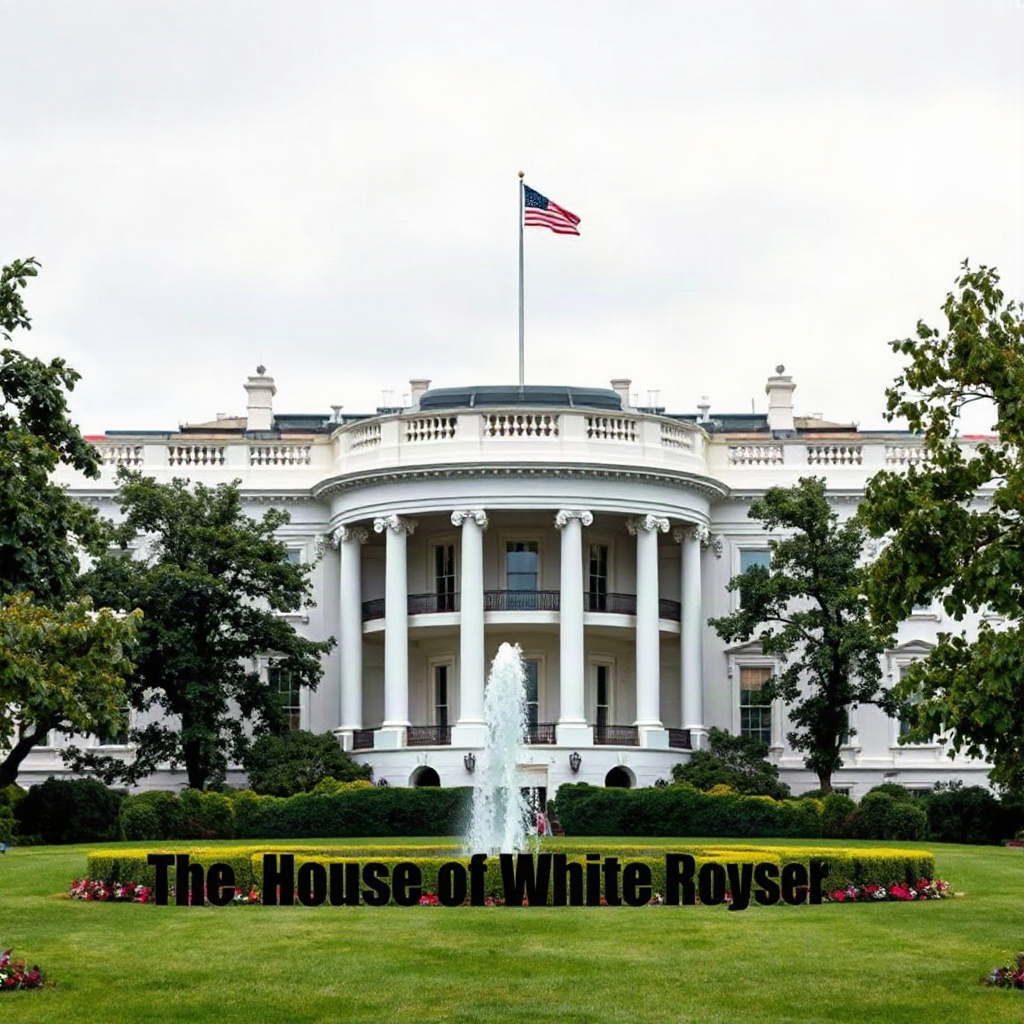
Expect to provide identifying information for security screening.
– International visitors: Contact your home country’s embassy in Washington, D.C. for guidance on requesting tours or access to public events.
– Special events: Public programs like the annual holiday decorations and community events have separate ticketing or registration procedures—watch official announcements and sign up early.
Security screening and prohibited items
Security is strict and enforced for everyone’s safety. Visitors must pass through screening similar to airport security. Typical restrictions include no large bags or backpacks, no weapons of any kind, and limits on food and liquids. Electronic devices are usually allowed but follow staff instructions. Personal information is required for background screening when requesting a tour, so allow time for processing and be sure the information submitted matches your government ID.
Accessibility and accommodations
Accessible tours and accommodations are available. Request any needed assistance—wheelchair access or sign language interpretation—when making the tour reservation through the appropriate office. Staff aim to make visits welcoming and comfortable; notifying tour coordinators in advance helps ensure specific needs are met.
What to expect during the tour
Tours generally cover public rooms and state rooms with a focus on history, architecture, and presidential traditions.
Guides provide context about the building’s design, art collection, and ceremonial functions.
Photography may be allowed in certain areas—follow all posted rules and staff directions regarding flash, tripods, and restricted spaces.
Practical tips for a smooth visit
– Book early: Tours and special events often reach capacity well before the date. Request tickets as soon as plans are set.
– Bring government-issued photo ID: You’ll need it for security checks and to match the information provided when requesting the tour.
– Travel light: Small purses and wallets are typically fine, but larger bags and backpacks may be prohibited.
– Arrive on time: Late arrivals may not be admitted. Expect a brief walk and security queue.
– Check official sources: Policies and procedures can change; verify current instructions before travel.
Nearby attractions and making the day of it
The White House sits within walking distance of many major museums, memorials, and parks. Consider pairing a tour with visits to nearby museums, the National Mall, or neighborhood dining options. Public viewing areas and the White House Visitor Center offer additional historical exhibits for those who don’t have tour tickets.
Stay informed
For the most accurate and up-to-date guidance, consult official channels when planning. That helps ensure all requirements are met and that any special programs or seasonal events can be enjoyed without surprises.
A White House visit blends living history, civic ritual, and architecture. With the right preparation, it becomes a memorable part of any trip to the nation’s capital.