Congressional Oversight: How It Works, Key Tools, and How Citizens Can Hold Government Accountable
Congressional oversight is one of the most powerful — and least understood — tools lawmakers use to shape policy, hold officials accountable, and inform the public. Oversight goes beyond dramatic hearings; it’s a continuous process that affects how laws are implemented, how agencies operate, and how taxpayer dollars are spent.
What oversight looks like
Oversight takes many forms: committee hearings, subpoenas, document requests, inspector general reports, and appropriations riders that condition funding. Committees call agency leaders and private witnesses to testify.
They ask for records, question procedures, and sometimes refer matters for criminal investigation.
These actions create a public record that can influence future policy choices and legal action.
Key enforcement tools
– Subpoenas: compel testimony or documents when voluntary cooperation falls short.
– Contempt referrals: can lead to legal consequences for noncompliance.
– Budget oversight: committees can restrict or redirect funding to influence agency behavior.
– Investigations: sustained probes by committees or inspectors general that build cases over time.
Challenges in the modern era
Several trends complicate oversight today.
The growing complexity of technology and nationwide systems demands deeper technical expertise from congressional staff. Classified information and national security concerns require secure handling that can limit public transparency.
Media fragmentation changes how hearings are covered and understood, and partisan polarization can make objective fact-finding harder when members view oversight as political theater rather than a governance function.
Opportunities for stronger accountability
To remain effective, oversight must adapt. Committees increasingly use staff with technical backgrounds, partner with nonpartisan experts, and invest in data analysis to track agency performance. Better coordination between committees—avoiding overlapping or contradictory probes—helps preserve resources and improve results. When hearings focus on clear policy questions, factual records, and actionable recommendations, they tend to produce reforms that endure.
How oversight affects everyday life
Oversight shapes how programs deliver services, whether agencies protect consumers, and how emergency responses unfold. Investigations have prompted changes in everything from product safety recalls to financial regulations and government contracting. Thoughtful oversight can catch problems early and prevent waste, fraud, and abuse.
How citizens can follow and influence the process
Staying informed and engaged amplifies oversight’s public accountability function:
– Watch committee hearings online; many are live-streamed and archived.
– Read committee reports and inspector general findings for in-depth analysis.
– Contact your representatives with specific concerns, evidence, or local impacts.
– Support independent, nonpartisan watchdog groups that monitor government performance.
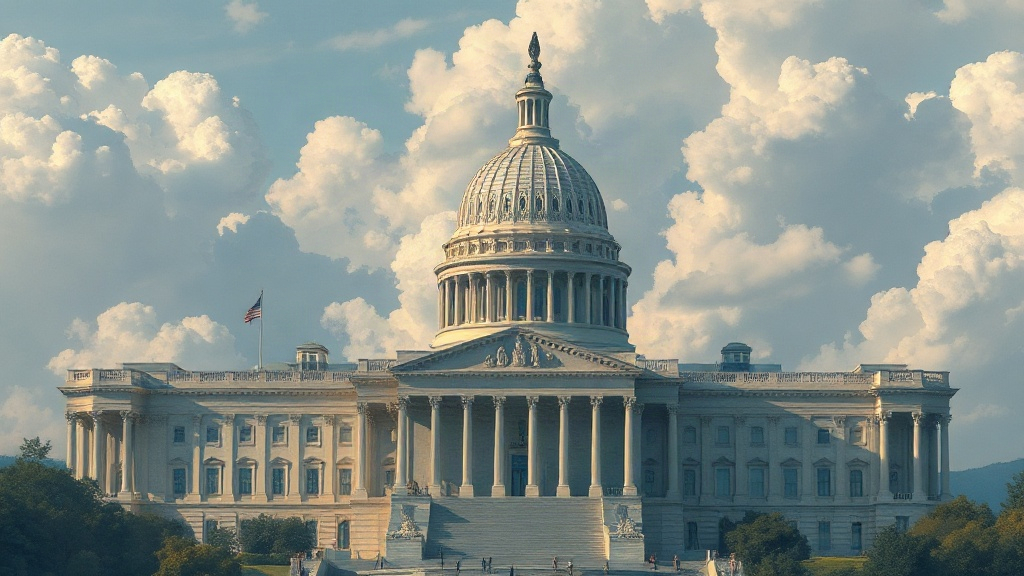
Effective oversight requires persistence, expertise, and public engagement. When Congress prioritizes rigorous, fair, and transparent investigations, it strengthens institutions and helps restore public trust. For citizens and policymakers alike, the goal is practical: ensure government delivers on its promises and corrects its mistakes when it doesn’t.