How the White House Balances Historic Preservation and Modern Needs
White House preservation and modernization: how a living landmark balances heritage and function
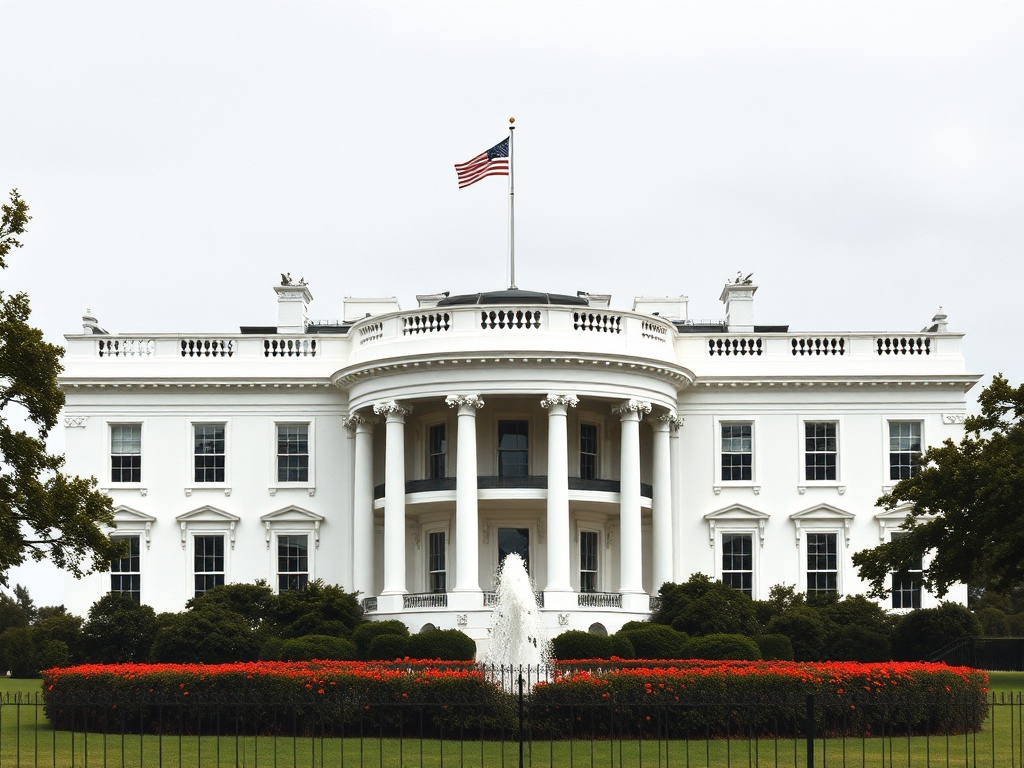
The White House is more than an iconic façade; it’s a working residence, a museum-quality collection of art and artifacts, and a secure seat of government. Balancing historic preservation with the practical needs of a functioning executive mansion requires careful planning, creative solutions, and steady investment. That balancing act offers lessons in adaptive reuse, sustainability, and public engagement.
Preserving a national treasure
Historic fabric — from neoclassical architecture to plaster moldings, original woodwork, and irreplaceable paintings — demands specialized conservation. Preservation teams work with conservators, architects, and historians to maintain authenticity while allowing for day-to-day use.
Treatments are targeted and reversible when possible, and interventions follow accepted conservation standards to protect materials and maintain historical integrity.
Upgrading systems without erasing history
The White House must meet modern standards for HVAC, electrical, plumbing, and fire protection without compromising historic interiors. That often means routing new systems through existing chases, under floors, or in secondary spaces to keep visible finishes intact.
Wireless technologies reduce the need for intrusive cabling, and discreet environmental controls help safeguard artworks and textiles by stabilizing humidity and temperature.
Security and accessibility considerations
Security upgrades are necessary but must be integrated thoughtfully to preserve the building’s character. Barriers, surveillance, and communications systems are designed to be as unobtrusive as possible. Accessibility improvements — ramps, lifts, and modified pathways — allow broader public access while respecting historic fabric. Collaboration between security professionals and preservationists ensures that safety measures are effective and sympathetic to the landmark setting.
Sustainability meets stewardship
Sustainability initiatives demonstrate that historic properties can improve energy performance without losing character. Measures such as LED lighting that mimics historic fixtures, high-efficiency mechanical systems, improved insulation in non-visible locations, and smart building controls reduce energy use. Landscapes like the Rose Garden and the South Lawn are managed for biodiversity, water efficiency, and public enjoyment, showing how historic grounds can support contemporary environmental goals.
Curating public access and cultural heritage
Public tours, educational programs, and rotating exhibits keep the White House connected to citizens.
Curators manage an extensive art and decorative arts collection, rotating works to protect sensitive pieces and to tell evolving stories about the nation’s history and culture. Digital outreach and virtual tours broaden access, allowing people who cannot visit in person to engage with the building’s history and collections.
The ongoing challenge of adaptability
Every upgrade is an exercise in trade-offs. Preservationists weigh the value of original materials against the need for safety, comfort, and operational efficiency. Multi-disciplinary teams and careful documentation ensure decisions are transparent and reversible where possible. Community input, expert advice, and responsible stewardship guide the evolution of the White House so that it remains both a symbol and a functional place of work.
Why it matters
The White House serves as an example for historic structures everywhere: honoring the past while adapting to contemporary needs is achievable with thoughtful planning. Whether the focus is preserving a plaster cornice, reducing energy use, or improving public access, the work reflects a commitment to safeguarding cultural heritage while keeping a major institutional building fit for purpose today and into the future.