White House Preservation and Modernization: Security, Sustainability & Visitor Guide
The White House occupies a unique place at the intersection of history, governance, and public life. As both a working executive residence and a museum of American architecture and art, it must balance careful preservation with practical modernization — an ongoing task that affects security, sustainability, visitor experience, and the way the building functions every day.
Preservation and historic stewardship
Maintaining historic rooms, original furnishings, and the decorative arts collection requires continuous attention from conservators and curators. Climate control, light management, and careful handling protocols protect antiques, textiles, and paintings while allowing the public to view key spaces. Historic preservation also extends beyond interiors: gardens, landscape features, and facades receive regular conservation to retain architectural integrity and public access.
Modernization and infrastructure upgrades
Modern needs — from energy efficiency to cybersecurity — demand upgrades that respect the White House’s historic character. Invisible infrastructure work, such as HVAC improvements, electrical rewiring, and the installation of energy-efficient systems, reduces operational costs and environmental impact without altering historic fabric. Efforts to incorporate renewable energy, increase insulation performance, and deploy low-impact lighting aim to make the complex more sustainable while preserving its iconic appearance.
Security, technology, and continuity
Security upgrades are a constant priority, blending physical measures with advanced technology.
Discreet reinforcement, perimeter security enhancements, and sophisticated access control systems protect residents and staff while minimizing visible changes to the site.
At the same time, investments in secure communications, redundancy for critical systems, and modern IT infrastructure ensure continuity of government operations and the ability to respond to crises.
Public engagement and visitor experience
The White House remains a powerful symbol that attracts public interest. Public tours, educational programs, and special events are designed to be accessible while meeting strict security standards.
Visitors typically need advance registration and must follow screening procedures; many tour programs are coordinated through partnerships with Congress and official visitor centers.
Museum-quality interpretation, curated exhibits, and digital resources help tell the complex story of the building’s architecture, art, and the people who have lived and worked there.
Gardens and sustainability initiatives
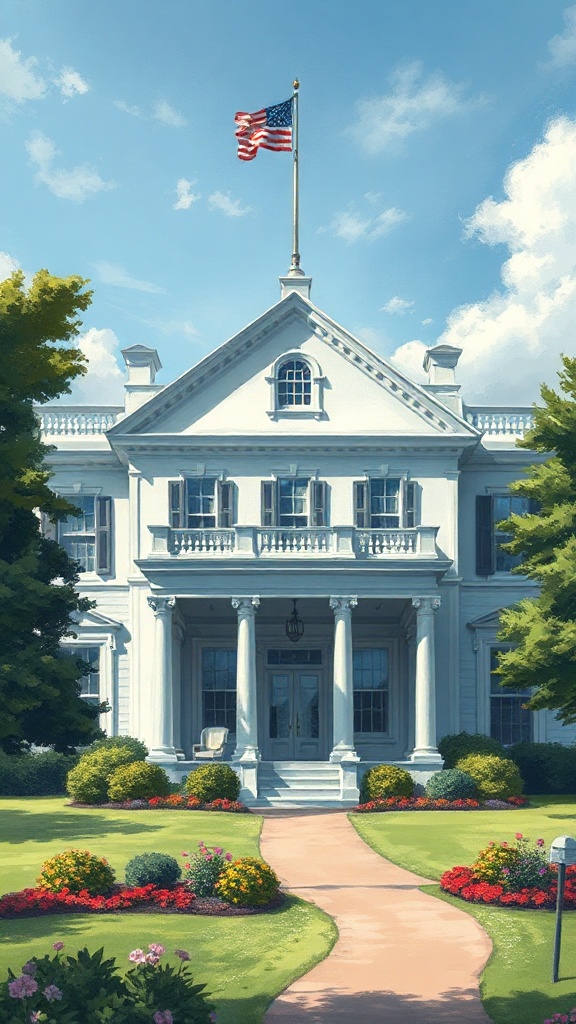
The White House grounds include formal gardens, a working kitchen garden, and landscape designed for seasonal public programming. Sustainable landscaping practices — such as pollinator-friendly plantings, native species, and water-conserving irrigation — support biodiversity and reduce maintenance needs. Demonstration gardens and gardening programs often serve as public-facing examples of sustainable urban horticulture.
Transparency, communications, and outreach
Communications from the executive residence combine traditional press briefings with expanded digital access. Virtual tours, high-resolution image libraries, and educational content extend the reach of public programs beyond those who can visit in person. Clear channels for visitor information, closures, and event announcements help the public plan visits and stay informed about opportunities to engage.
Practical tips for prospective visitors
– Check official sources for tour availability and registration requirements.
– Bring government-issued photo identification and arrive early for security screening.
– Avoid large bags and prohibited items to expedite entry.
– Review accessibility options in advance if mobility accommodations are needed.
The White House continues to evolve as caretakers manage the delicate task of honoring historic legacy while meeting the demands of a modern executive residence. Whether through conservation work, sustainability upgrades, or enhanced public programming, efforts across the complex aim to preserve its significance for visitors and citizens while ensuring it remains functional, secure, and resilient for the future.