Visiting the White House: Tours, Security, Historic Preservation, and Modern Upgrades
The White House remains one of the most recognizable symbols of American government, combining living quarters, a working executive office, and a public-facing historic site. Its dual role — operational nerve center and cultural landmark — means it is constantly adapting: balancing security, public access, historic preservation, and modern functionality.
Public access and tours
Public tours of the White House offer a rare chance to see state rooms, historic furnishings, and curated exhibitions. Tour availability and rules change periodically, so planning ahead is essential.
Most public tours require advance requests through congressional offices and include background checks and photo ID at entry. Large events, official ceremonies, and security needs can result in temporary closures or altered access, and virtual tours available on official websites are a handy alternative when in-person visits are limited.
Security and modernization
Protecting national leadership and visitors requires layered security measures. Visible elements like perimeter fencing and screening checkpoints are supported by less visible systems: advanced surveillance, airspace monitoring, K-9 units, and coordinated emergency response capabilities. At the same time, modernization efforts aim to maintain the building’s historic character while upgrading critical infrastructure — such as communications, IT resilience, and building systems — to meet contemporary requirements for safety and functionality.
Historic preservation and ongoing maintenance
As an occupied historic building, the White House undergoes continuous preservation work. Curators and conservators manage a vast collection of art, furniture, and decorative arts, rotating and restoring items to preserve their condition. Structural maintenance and careful restoration projects are common, from masonry and roofing to painting and textile conservation.
Landscape stewardship also plays a role: gardens and outdoor rooms are maintained not only for aesthetics but also for ceremonial functions.
Sustainability and energy-efficiency initiatives
Efforts to reduce energy use and environmental impact coexist with preservation goals. Energy-efficiency upgrades typically focus on HVAC optimization, lighting improvements such as LED retrofits, water conservation measures, and electrification of support fleets and vehicle charging infrastructure on campus.
These measures aim to increase operational efficiency while respecting the building’s historic fabric.
Civic, cultural, and diplomatic functions
The White House serves as a stage for major civic moments, cultural initiatives, and diplomatic engagement. State dinners, official ceremonies, and cultural programs highlight the space’s role in national life. The grounds and kitchens often reflect broader public-interest projects — from garden initiatives that promote healthy eating to cultural events that spotlight American arts and traditions.
Visitor tips
– Check official channels for the latest tour policies and how to request access through elected representatives.
– Bring required identification and be prepared for security screening; large bags and certain items are typically prohibited.
– Consider virtual or online resources if in-person tours are unavailable.
– Respect photography rules and staff instructions, and plan extra time for entrance procedures.
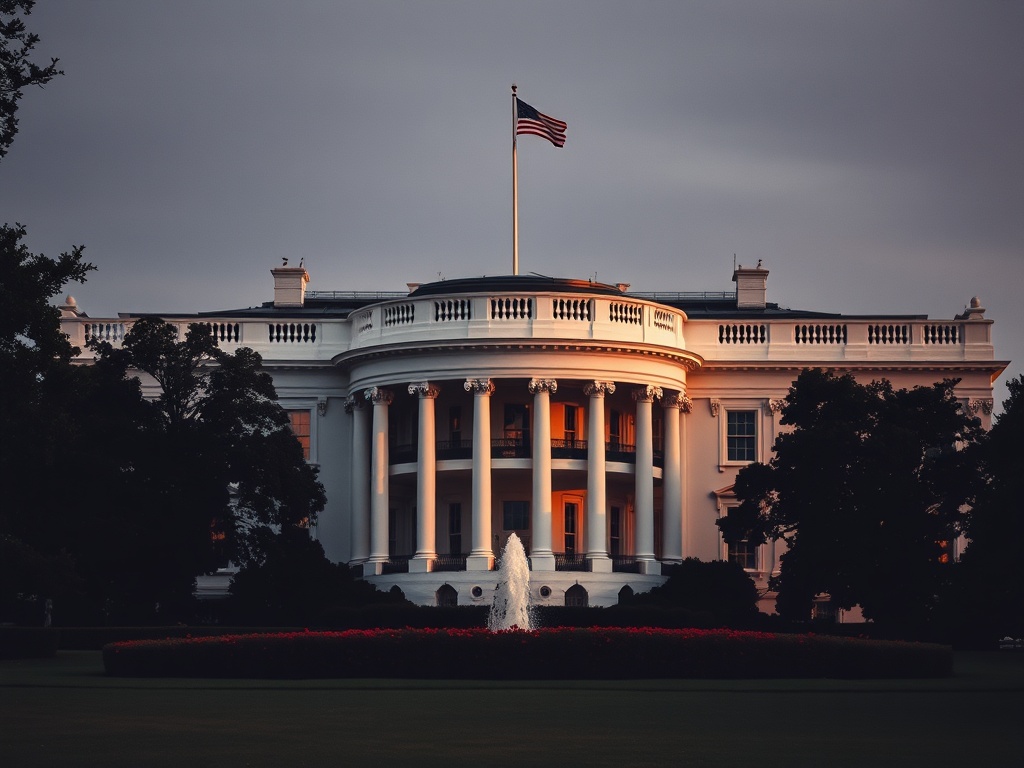
The White House continues to evolve quietly behind its iconic façade. Whether experienced in person or through digital programming, it offers insight into the intersection of history, governance, and public life while adapting to contemporary needs for security, sustainability, and accessibility.