How to Strengthen Democracy in a Polarized Age: Practical Reforms and Local Actions for Voters
Politics increasingly shapes daily life, from local school boards to national policymaking.
Rising polarization, digital amplification of discord, and evolving campaign tactics mean voters and civic actors must adapt to keep democratic systems resilient and responsive. Understanding the core challenges and practical reforms helps citizens engage more effectively and protect the integrity of the public sphere.
What’s driving political tension
Several structural and cultural forces are widening political divides. Social and digital media reward emotional and sensational content, which can amplify misinformation and harden partisan identities. Economic dislocation and geographic sorting concentrate interests, making compromise harder. At the same time, electoral systems that favor safe districts and winner-take-all contests reduce incentives for moderation and coalition-building.
Reform paths that strengthen democracy
– Voting access and modernization: Expanding early voting, secure mail ballots, and same-day registration can increase participation while preserving security. Modernization also includes user-friendly ballot design and multilingual materials to reduce errors and disenfranchisement.
– Electoral system tweaks: Alternative voting methods such as ranked-choice voting encourage broader appeal and reduce negative campaigning by rewarding candidates who are acceptable to more voters.
Proportional representation models can increase the diversity of voices in legislatures where they are applied.
– Fair districting: Independent redistricting commissions and clear, objective criteria for map drawing help counteract partisan gerrymandering, creating more competitive districts and encouraging accountable representation.
– Campaign finance transparency: Strong reporting requirements and clear disclosure of donors and spending make it easier for voters to evaluate influence and motivations behind political messaging.
– Election security and resilience: Routine audits, verifiable paper ballots, and robust cybersecurity practices for voting infrastructure reduce the risk of tampering and build public confidence.
– Countering misinformation: Investments in media literacy, rapid-response fact-checking, and platform transparency around content promotion are central to limiting the spread and impact of falsehoods.
Why local politics matters
Local elections determine budgets, school policies, zoning, and many day-to-day services.
Yet turnout for local races is often low, so motivated local actors can have outsized influence. Strengthening civic education and encouraging attendance at school board, city council, and county meetings makes policy more accountable and responsive.
Practical steps citizens can take
– Register and confirm voting status well before an election, and know options for early or absentee voting.
– Follow credible news sources and cross-check surprising claims with independent fact-checkers before sharing.
– Volunteer with nonpartisan voter-registration drives or civic education initiatives to help broaden participation.
– Attend local meetings and build relationships with community leaders to shape priorities before they reach higher levels of government.
– Support transparency and accountability measures such as independent redistricting efforts or improved campaign-disclosure laws.
The role of institutions and norms
Democracy is not sustained by rules alone; norms of mutual tolerance, a free press, and civic norms that prioritize facts and pluralism matter. Institutions can be strengthened with legal reforms, but social investments in education, community-building, and cross-partisan dialogue are equally important to reduce alienation and rebuild trust.
Staying engaged
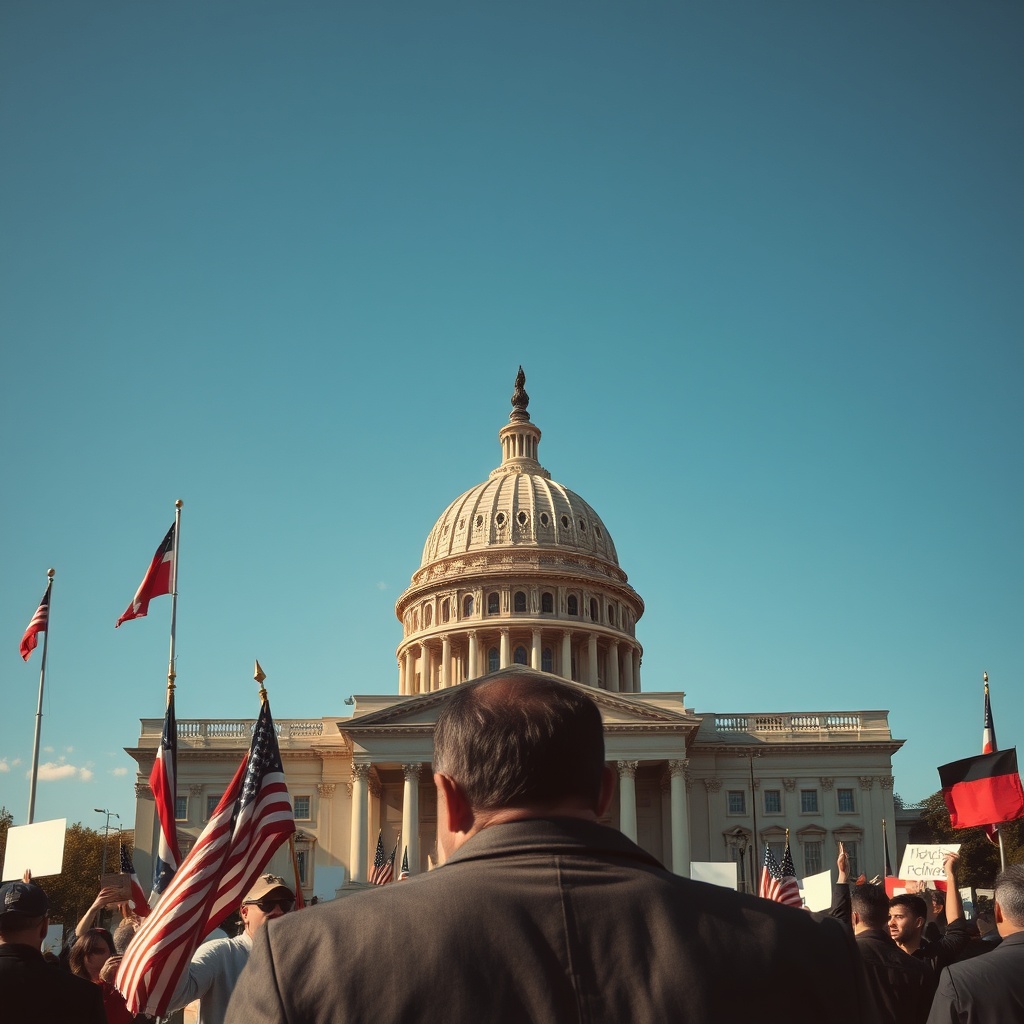
Political life will continue to evolve as technology, demography, and policy pressures shift.
Staying informed, participating locally, and advocating for reforms that improve representation and transparency helps ensure political systems better reflect the public interest and remain resilient in the face of new challenges.