How Local Journalism Strengthens Democracy and Boosts Civic Engagement
Local newsrooms and civic engagement are central to the health of democratic systems. As national debates dominate headlines, the hyperlocal stories that connect citizens to government — school board budgets, zoning decisions, municipal services — are often overlooked. Strengthening local journalism and fostering civic participation are practical ways to reduce polarization, improve policy outcomes, and restore public trust.
Why local journalism matters
Local reporting provides information that voters actually use to make decisions. It shines light on how city councils allocate funds, how public health services operate, and how infrastructure projects affect neighborhoods.
When residents have access to clear, verifiable reporting about local matters, they are better positioned to participate constructively rather than react to nationalized narratives that can inflame partisanship.
Local outlets also serve as a check on power. Investigative pieces, data journalism, and consistent coverage of public meetings expose waste, corruption, and mismanagement that would otherwise go unnoticed. This accountability function is essential to democratic resilience: when citizens see that institutions are scrutinized and responsive, confidence in governance increases.
The misinformation challenge
Misinformation thrives where information gaps exist. In communities with limited local reporting, rumors and misleading claims spread rapidly through social networks and private messaging apps.
Combatting misinformation requires both timely reporting and media literacy: clear, accessible explanations of complex issues and tools to help people evaluate sources.
Technology can help and hinder.
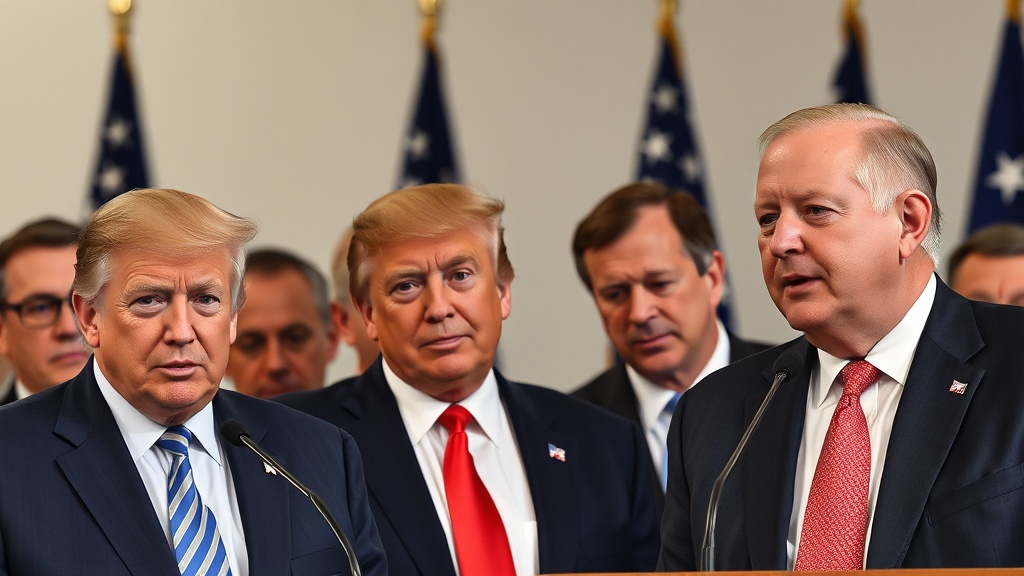
Social platforms amplify both high-quality local reporting and falsehoods, making it critical for journalists and civic groups to adapt distribution strategies. Short explainer videos, newsletters targeted to neighborhoods, and partnerships with trusted community organizations can extend the reach of accurate information.
Practical steps for communities
– Support diverse ownership models: Encourage nonprofit newsrooms, public funding for community reporting, and cooperative ownership to ensure coverage that reflects a range of perspectives.
– Promote transparency in government: Make municipal records, budgeting, and meeting minutes easy to access and searchable to reduce barriers for both journalists and residents.
– Invest in local media literacy: Schools, libraries, and community centers can host workshops that teach how to verify sources, recognize misinformation, and engage in constructive civic dialogue.
– Strengthen public interest journalism partnerships: Local outlets can partner with regional and national organizations for investigative projects, data-sharing, and training to improve reporting capacity.
– Encourage civic forums: Neutral town halls and moderated online spaces help neighbors discuss local issues without the framing and heat of national partisan debates.
Role of policymakers and funders
Policy choices matter.
Grants, tax incentives, and public-service funding targeted at underserved news deserts can sustain essential reporting. Regulatory changes that increase transparency around political advertising and platform amplification can also reduce the viral spread of misleading content.
Importantly, funding should prioritize editorial independence to maintain credibility.
A path forward
Revitalizing local journalism and civic infrastructure is one of the most practical, nonpartisan strategies to strengthen democracy. When communities are well-informed and equipped to participate, policymaking becomes more responsive and less prone to polarizing narratives.
Small investments in reporting, public access to information, and media education can produce outsized benefits for civic life and collective problem-solving.